

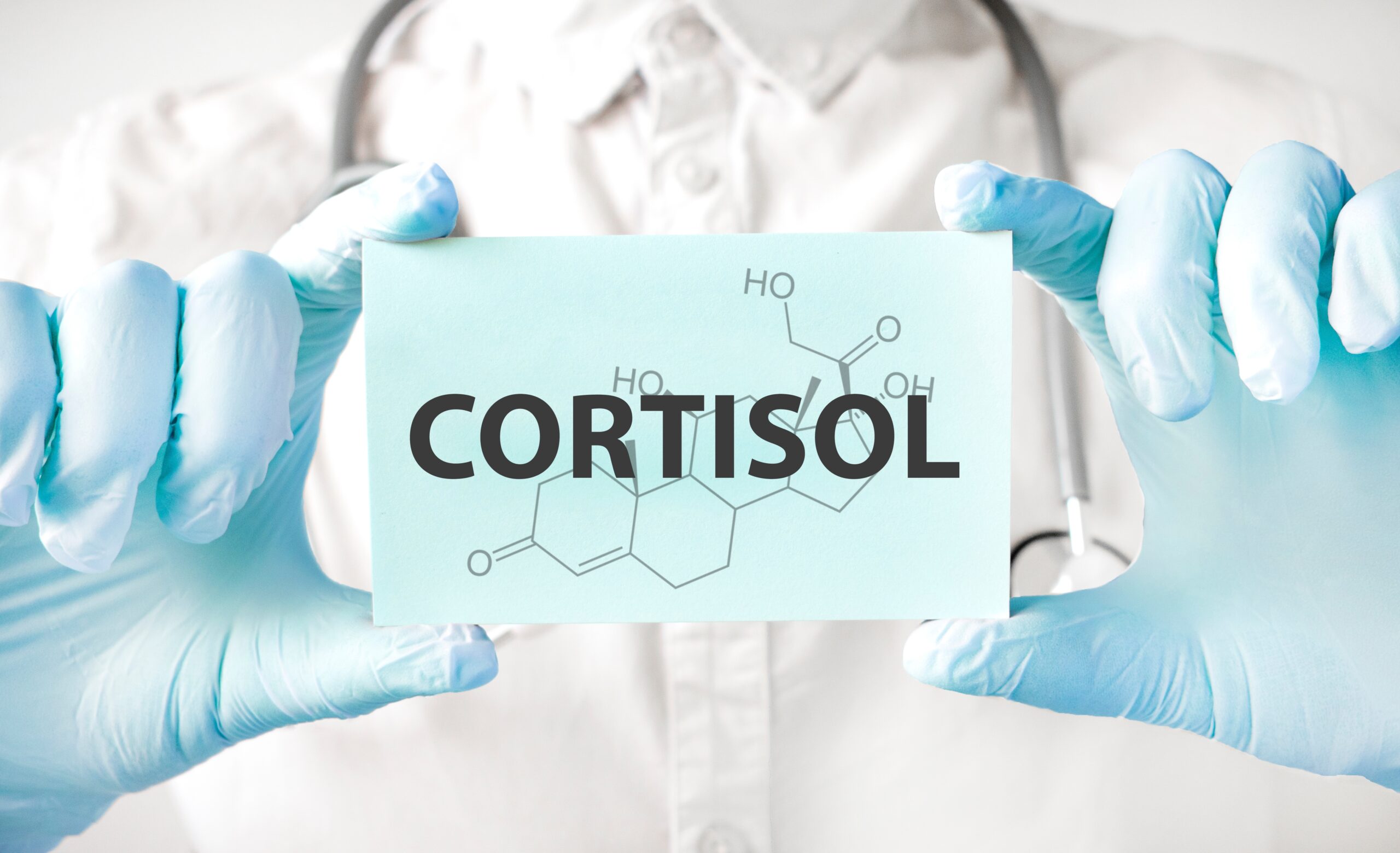
In the quest for longevity and vibrant health, many focus on nutrition, exercise, or skincare—but there’s a powerful internal factor that’s often overlooked: cortisol, the body’s primary stress hormone.
When managed well, cortisol is essential to our survival. It helps us wake up, regulate blood sugar, and respond to danger. But when cortisol is chronically elevated—a common feature of modern life—it accelerates aging, disrupts hormones, weakens the immune system, and damages the brain.
This is where cortisol detox comes in: the conscious practice of reducing and rebalancing your cortisol levels to optimize health and slow biological aging.
What Is Cortisol?
Cortisol is produced by your adrenal glands in response to stress, under control of the HPA axis (hypothalamus-pituitary-adrenal). It’s part of the “fight or flight” system and naturally rises in the morning to help you wake, and lowers at night to help you sleep.
When you’re under chronic emotional, physical, or environmental stress, cortisol stays high—and that’s where the problems begin.
How High Cortisol Ages You
Chronic cortisol elevation is associated with:
- Increased abdominal fat
- Insulin resistance
- Sleep disruption
- Loss of muscle mass
- Skin thinning and collagen breakdown
- Suppressed immunity
- Brain fog and memory loss
- Accelerated cellular aging via telomere shortening
In fact, researchers have found that high cortisol correlates with shorter telomeres, the protective caps on your DNA that directly determine biological age.
Cortisol Detox: How to Lower It Naturally
You don’t need supplements or strict protocols—most of what your body needs is natural rhythm, nourishment, and nervous system support.
Key Cortisol Detox Strategies
- Sleep Hygiene
7–9 hours of quality sleep, dark room, no blue light before bed. - Blood Sugar Balance
Eat whole foods, avoid sugar spikes, add protein and healthy fats at each meal. - Adaptogens
Herbs like ashwagandha, rhodiola, and holy basil support adrenal balance. - Breathwork & Meditation
Even 10 minutes per day of deep breathing activates the parasympathetic (“rest and digest”) nervous system. - Sunlight & Circadian Rhythm
Morning light helps regulate cortisol peaks. Aim for 10–15 minutes of daylight first thing. - Connection & Laughter
Oxytocin, released through social bonding, counteracts cortisol. - Magnesium
Helps calm the nervous system. Magnesium glycinate or citrate are well-absorbed forms. - Movement—but not too much
Gentle exercise like walking, yoga, or tai chi lowers cortisol. Overtraining does the opposite. - Caffeine Awareness
Avoid excess caffeine, especially on an empty stomach or in the afternoon.
Reduce Cortisol, Rewind Time
The more we learn about cortisol, the more we understand: aging isn’t just about the calendar—it’s about your biology. And your biology responds to stress.
By “detoxing” from chronic stress and supporting your cortisol rhythm, you can slow down biological aging, protect your brain and heart, preserve your energy, and even improve your skin.
Think of cortisol detox as daily emotional hygiene—as essential as food or exercise.
References
- Epel ES, et al. “Accelerated telomere shortening in response to life stress.” PNAS. 2004.
- Sapolsky RM. “Why Zebras Don’t Get Ulcers.” Henry Holt & Co. 2004.
- Chrousos GP. “Stress and disorders of the stress system.” Nat Rev Endocrinol. 2009.
- McEwen BS. “Protective and damaging effects of stress mediators.” N Engl J Med. 1998.
- Kudielka BM, Kirschbaum C. “Biological basis of the stress response.” Dialogues Clin Neurosci. 2005.
- Kiecolt-Glaser JK, et al. “Chronic stress and age-related increases in the proinflammatory cytokine IL-6.” PNAS. 2003.
- Lavretsky H, et al. “Complementary strategies for stress management in aging.” Am J Geriatr Psychiatry. 2014.
- Tsigos C, Chrousos GP. “Hypothalamic–pituitary–adrenal axis, neuroendocrine factors and stress.” J Psychosom Res. 2002.
- Brown RP, Gerbarg PL. “Sudarshan Kriya yogic breathing in the treatment of stress, anxiety, and depression.” J Altern Complement Med. 2005.
- Reinehr T, et al. “Cortisol and its relationship to metabolic syndrome in obese children.” J Clin Endocrinol Metab. 2004